



By Muhammad Jamil Abubakar
The Federal Government and UNICEF have praised Gombe State for making strong progress in the fight against Neglected Tropical Diseases (NTDs), saying the state is becoming a model for the rest of Nigeria.
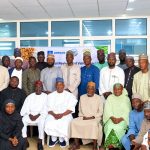
The commendation was made during a media dialogue in Gombe, where health experts said continued political support, more government funding, improved water and sanitation systems, and strong community involvement are needed to completely eliminate the diseases.
Hajiya Hawau Abubakar, North-East Zonal Coordinator for NTDs at the Federal Ministry of Health and Social Welfare, said the state has made “significant progress” through mass treatment and collaboration with development partners.
She expressed hope that Gombe could be free of NTDs before 2030, adding that this would improve children’s health and boost the state’s economy.

UNICEF Bauchi Field Office Chief, Dr. Nuzhat Rafique, said Gombe’s financial commitment to the programme is yielding results.
She explained that the state is close to a stage where continuous treatment could stop the spread of the diseases.
“The progress so far is encouraging, but we must continue investing resources wisely to eliminate NTDs and protect children and women,” she said.
The Gombe State Primary Health Care Development Agency confirmed that all local government areas except Akko and Kwami are now free of NTDs.
The agency’s Director of Disease Control and Immunisation, Dr. Musa Abdullahi, appreciated the support of the Federal Government, UNICEF and other partners.
Health experts say the next phase of the campaign requires more stable funding from government to reduce reliance on donors.
They also stressed the need to improve water, sanitation and hygiene (WASH) facilities, noting that clean water, toilets and handwashing are key to preventing the diseases from coming back.
According to global health guidelines, combining WASH services such as boreholes, school water points, toilets and hygiene promotion with drug treatment offers the best chance of long-term success.
Officials also said communities must play a bigger role by maintaining water and sanitation facilities, adopting safe hygiene habits and supporting health workers.
UNICEF and government partners highlighted the important role of the media in raising awareness, educating the public, and reminding authorities of their commitments.
Health experts believe that with stronger funding, better WASH facilities, active community involvement and continued media support, Nigeria can follow Gombe’s example and achieve full elimination of NTDs by 2030.