




The Centre for Information Technology and Development (CITAD) has called for increased government support and investment in assistive technologies to enhance access, inclusion and participation of persons with disabilities (PWDs) in Nigeria.
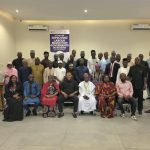
The call was made during the commemoration of the 2026 World Day for Assistive Technology held at the School for Arabic Studies in Kano.
Speaking at the event, CITAD’s PWD Coordinator, Hamza Aminu Fagge, described assistive technology as a vital tool for promoting inclusion and equal opportunities for persons with disabilities.
According to him, the theme of this year’s celebration, “Unlocking Opportunities,” highlights the role of assistive devices in reducing barriers to education, employment and governance.
“Assistive technology is essential for enabling persons with disabilities to participate fully in education, employment, governance and other aspects of society,” he said.
Fagge noted that many persons with disabilities remained excluded from digital opportunities due to accessibility challenges.
Also speaking, Mariya Ishaq of the Albinism Association of Nigeria underscored the importance of visual aids and protective tools for persons with albinism.
She identified commonly used assistive materials as magnifying glasses, hand magnifiers, visual aids, sunshades, umbrellas, protective clothing and sunscreen creams.
“These tools significantly improve learning, mobility, safety and the overall quality of life of persons with albinism,” she said.
Participants at the event expressed concern over the high cost of visual aids and other assistive devices, urging government authorities to make them more affordable and accessible.
In his remarks, the Vice Principal of the Special Education School (SES), Tudun Maliki, Ibrahim Abdulkarim, called for local production of assistive technologies to reduce dependence on imported devices.
Abdulkarim demonstrated several devices used by visually impaired persons, including the Hable One, Ultra Cane and audio readers.
“There is a need for local innovation and the development of affordable assistive technologies that can be produced within Nigeria rather than relying solely on imported devices,” he said.
He also called for increased public awareness to combat discrimination against persons with disabilities and appealed for support to address the shortage of Braille paper in special education schools.
A panel discussion on access to assistive technology identified poverty, high costs, weak implementation of disability-related policies, inadequate digital inclusion and low public awareness of disability rights as major barriers to access.
Participants advocated increased investment in locally manufactured assistive technologies and recommended higher government budgetary allocations for assistive devices, removal of import duties, establishment of assistive technology resource centres and stronger implementation of disability-inclusive policies.
CITAD’s Human Resource Officer, Muhammad Sani-Sa’idu, said assistive technology should be regarded as a necessity rather than a privilege.
“Assistive technology should not be viewed as a privilege but as a necessity that enables persons with disabilities to live independently, access education, secure employment, participate in governance and contribute meaningfully to national development,” he said.
The event brought together persons with disabilities, representatives of disability groups, educators, civil society organisations, healthcare practitioners and other stakeholders to explore ways of improving access to assistive technologies in Nigeria.