



By Aminu Garko
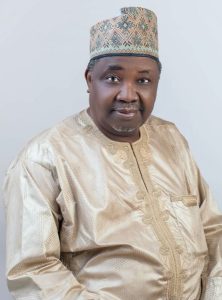
Kontagora, Education in Nigeria must be repositioned to meet the demands of the 21st-century workplace by combining traditional educational values with modern knowledge, skills and technological advancement, Dr Mohammed Sanusi has said.
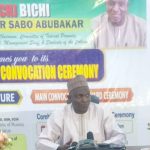
Sanusi made the call in his convocation lecture titled “Trends and Opportunities in Education in Navigating the 21st Century Workplace,” delivered by Dr B.M. Dzukogi at the 36th-45th Combined NCE Convocation Ceremony of the Federal University of Education, Kontagora.
He described the lecture as an opportunity for stakeholders in educational administration and development to reflect on the effectiveness of the nation’s education system and its impact on national growth.
According to him, the occasion was particularly significant at a time when experts were expressing concerns and making assessments about the policies, administration and functional outcomes of the educational system.
Sanusi said the gathering provided an opportunity to examine the role of education in national transformation, review past experiences and chart a sustainable path for its development.
He commended the Governing Council, the Vice-Chancellor and the Convocation Organising Committee for choosing a theme he said was relevant to revitalising the educational process for the benefit of the country.
The lecturer explained that education was a broad process of acquiring and transmitting knowledge, skills and values, as well as developing character and the intellectual capacity of individuals.
He identified formal, non-formal and informal education as its major forms, explaining that formal education takes place within structured institutions such as schools, colleges and universities.
Non-formal education, he said, involves organised learning outside the conventional school system, including vocational training, while informal education is a lifelong process acquired through daily experiences, family and social interactions.
Sanusi further noted that education was classified into different levels, including early childhood, primary, secondary and tertiary education, as well as various teaching approaches and subject areas.
He stressed the need to examine Nigeria’s traditional education system in addressing contemporary educational challenges, noting that it predated Western education and was designed to meet the social, cultural and economic needs of communities.
Citing Fafunwa (2004), he said traditional education was founded on principles that included physical training, character development, respect for elders and peers, and intellectual training.
He observed that the system also equipped individuals with practical skills and prepared them for various occupations and responsibilities within their communities.
According to him, traditional education addressed essential human needs and provided a foundation that could have been strengthened and adapted as society evolved.
Sanusi, however, regretted that the advent of Western education led to the perception that traditional education was outdated and had little relevance to modern educational development.
He argued that countries such as China, Germany, Japan, Russia and India had made significant progress by retaining aspects of their traditional values while embracing contemporary educational practices.
The lecturer maintained that Nigeria could draw lessons from such countries by recognising the relevance of indigenous knowledge and skills while adapting its education system to the changing demands of the modern workplace.
He called for a balanced educational approach that would preserve useful traditional values, promote practical competencies and prepare learners to contribute meaningfully to national development.