


By Bala Dauda, Damaturu
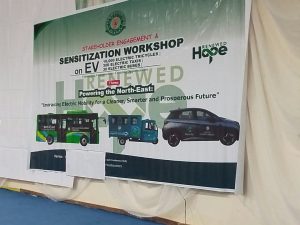
The North-East Development Commission (NEDC) has stepped up preparations for the deployment of more than 10,000 electric vehicles across the six states of the North-East, following a stakeholders’ engagement and sensitisation workshop held in Damaturu, Yobe State.
The proposed initiative, which will involve the deployment of electric tricycles, taxis and buses, is aimed at transforming the region’s public transportation system, creating employment opportunities, attracting private-sector investment and promoting environmentally sustainable economic development.
The workshop, held at the NEDC Multipurpose Hall, GGUC, Damaturu, was themed, “Powering the North-East: Embracing Electric Mobility for a Cleaner, Smarter and Prosperous Future.” It brought together key stakeholders to examine the economic, environmental and social benefits of electric mobility ahead of the programme’s implementation.
Discussions at the engagement focused on the operational framework, technical capacity, safety requirements and responsibilities of stakeholders needed to ensure the successful rollout and long-term sustainability of the initiative.
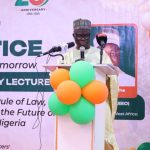
Speaking at the opening ceremony on behalf of the NEDC Managing Director and Chief Executive Officer, Mr Goni Alkali, the Yobe State Coordinator, Professor Ali Ibrahim Abbas, described electric mobility as a viable and sustainable alternative to conventional transportation, with significant potential to lower energy costs, protect the environment and create new economic opportunities.
He explained that the initiative was not merely about introducing modern vehicles but also about establishing a new economic ecosystem that would provide employment opportunities for young people in vehicle maintenance, charging infrastructure, technical services and commercial transportation.
According to him, the adoption of electric vehicles would improve public transportation, reduce commuting expenses, encourage technological innovation and contribute to addressing youth unemployment across the region.
Professor Abbas urged transport unions, energy operators, relevant Ministries, Departments and Agencies (MDAs), as well as other stakeholders, to demonstrate strong commitment and take ownership of the programme to guarantee its effective implementation and sustainability.
Earlier, the Chief Executive Officer of Attahir Enterprises Nigeria Limited and consultant for the project, Bunu Umar Abacha, said the initiative was designed to deliver affordable, environmentally friendly and efficient mass transportation services to residents of the North-East.
In their separate goodwill messages, the Commissioners overseeing Transport and Energy, Works, Environment, and Women Affairs applauded the NEDC for the intervention, describing it as a strategic initiative that could reshape the region’s transportation sector, stimulate economic activities and advance environmental protection.
They emphasised the importance of strong partnerships among government agencies, private-sector investors, transport unions and other relevant stakeholders in achieving the programme’s objectives.
Representatives of security agencies, including the Federal Road Safety Corps (FRSC), Nigeria Security and Civil Defence Corps (NSCDC) and Nigeria Police Force, also highlighted the importance of safety compliance and technical competence in operating electric vehicles.
They encouraged participants to acquire the necessary technical knowledge and adhere strictly to traffic regulations and established safety standards to ensure the safe operation of the vehicles.
The workshop was attended by government officials, traditional rulers, security agencies and representatives of major transport and automobile associations, including the National Union of Road Transport Workers (NURTW), among others.
The engagement is expected to improve public understanding of electric mobility, strengthen local technical expertise and promote stakeholder participation ahead of the planned deployment.
The programme is in line with the North-East Stabilisation and Development Master Plan (NESDMP), reflecting the NEDC’s commitment to sustainable development, economic recovery and the long-term transformation of the North-East region.