

By Barr. Badamasi Suleiman Gandu
May 23rd 2024, marks a day etched in the hearts of the people of Kano. It was on this date that a divine intervention rectified the past injustice, restoring the mandate that had been usurped. This memorable day brought immense joy and profound gratitude not only to the residents of Kano but also to well-wishers across the globe.
Since his reinstatement, His Royal Highness has implemented strategic initiatives that have fostered unity within the Dabo’s Family, revitalized traditional institutions, elevated Kano’s global standing, and significantly contributed to the state’s economic development. As can be itemized hereunder:
1. Driving Economic Development:
Emir Sanusi has been a powerful advocate for economic development, both international, nationally and within Kano State:
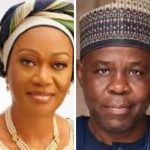
•National Economic Influence: The Emir, alongside H.E. Bala Mohammed, Governor of Bauchi State, Nigerian Minister of Women Affairs, Haj. Imaan Sulaiman, the DG/CEO of Kan-Invest, and others represented Nigeria at the Tunis Conference. Titled “Financing Investment and Trade in Africa,” the conference facilitated discussions on investments at regional, national, and subnational levels.
The Nigerian delegation also held a bilateral meeting with the Tunisian Minister of Trade and Investment, exploring opportunities and potential collaborations to boost the African Continental Free Trade Area (AfCFTA).
•Kano-Centric Economic Initiatives: Emir Sanusi has actively led Kano State delegations to secure vital partnerships and investments as follows:
He met with the CEO of the African Union Development Agency (AUDA) and New Partnerships for African Development (NEPAD) to explore support for Kano State in skills development, investment, and integrated development plans.
He also engaged with the Tunisia Consortium for African Development (TUCAD), an initiative of the Tunisia Africa Business Council (TABC), to establish synergies with Enernet Pro for renewable energy investments in Kano, focusing on power distribution to improve energy efficiency and access.
He further engaged with Mrs. Namia Ayadi, President of the Tunisia Investment Authority, aimed at sharing best practices and exploring collaborations to drive capital importation into Kano State.
These international engagements highlight the Emir’s global relevance and his role as an advocate for Sustainable Development Goals, as appointed by the United Nations.
2. Resuscitation of the Kano Emirate and Restoration of Ruling Houses:
Among his most significant achievements in 2024-2025 is the comprehensive resuscitation of the Kano Emirate structure and the restoration of marginalized ruling houses.
This involved reinstating traditional titles for lineages that had been sidelined, some for over a century, thereby strengthening the Emirate’s historical fabric and promoting inclusivity. Notable examples include:
Sarkin Kano Usman’s Ruling House: This lineage had been marginalized since the death of Mustapha Danmakoyo in 1863.
For 161 years, no member of this family held a traditional title until the reign of HRH, when Alh. Suleiman Lawan was appointed as Barayan Kano.
Sarkin Kano Muhd Tukur’s Ruling House: This ruling house had been without a title since the death of Sarkin Kano Muhd Tukur in 1895. After 129 years, Alh. Auwalu Mudi was appointed as Danmalikin Kano during the reign of HRH.
Sarkin Kano Alu Abdullahi Maje Karofi’s Ruling House: Similar to the above, this ruling house had also been marginalized since 1975. No member of this family had been conferred with a title for the past 49 years until the reign of HRH, when Alh. Bashir Mahe was appointed as Dallatun Kano and District Head of Sharada.
Galadiman Kano Yusuf’s Ruling House: This lineage had been marginalized since 1965. For 59 years, no member of this family held a traditional title until the reign of HRH, when a descendant, Alh. Abba Yusuf (an uncle to Engineer Abba Kabir Yusuf, the Executive Governor of Kano State), was appointed as Dan Makoyon Kano.
The Family of Danburan Haruna: Danburan Haruna, a Prince and a Son of Abdullahi Maje Karofi, passed away in 1932. For 92 years, no member of this family was conferred with a title until the reign of HRH, when Alh. Mukhtar Ibrahim Bello was appointed as Falakin Kano.
The Family of Galadiman Kano Isyaku: Equally a son of Abdullahi Maje Karofi, Yayaku was appointed as Galadiman Kano by his brother Alu Abdullahi. Since his death in 1900, no title was given to his family until the reign of HRH, when Abdulkadir Mohammad Balarabe was appointed as Zannan Kano after 124 years without a title.
The Family of Wazirin Kano Ahmed Mai Shahada: Also, a son of Abdullahi Maje Karofi, he was killed during a battle with British forces in 1903. Since then, no one from his family was conferred with a title until the reign of HRH, when Alh. Aminu Abdullahi Nasidi was appointed as Galadiman Daji after 121 years without title.
Sarkin Kano Muhd Inuwa’s Ruling House: Following his death in 1963, Sarkin Kano Ado Bayero inherited the throne from this House. However, for the past 61 years, no member of this family held a traditional title until the reign of HRH, when Alh. Yahaya Inuwa was appointed as Dangaladima and District Head of Dala.
These examples highlight the Emir’s commitment to the correction of historical injustices and the strengthening of the foundational structures of the Kano Emirate.
3. Exemplary Leadership and Reconciliation:
Emir Sanusi has consistently demonstrated exemplary leadership, particularly through acts of reconciliation and forgiveness.
A prime example is the appointment of Jamilu Sani Umar, nephew of former Kano State Governor Dr. Umar Abdullahi Ganduje, as the Village Head of Ganduje. Despite past political tensions, this decision reflected a true spirit of forgiveness and a commitment to uniting diverse factions.
This development significantly underscored the Ganduje family’s recognition and acceptance of Emir Sanusi as the legitimate Emir of Kano, rather than the dethroned 15th Emir, Alh. Aminu Ado Bayero. The Emir declined to seek revenge, thereby showcasing the true essence of leadership.
4. Reviving Emirate Traditions:
The Emir has actively worked to revitalize and uphold important emirate traditions, utilizing them as powerful tools for community engagement and development:
Hosting Significant Events: He has presided over major community events, such as the wedding Fatiha of the Son and Daughter of Engr. Rabi’u Musa Kwankwaso and Alh. Dahiru Mangal at his Palace, underscoring the Emirate’s central role in societal life.
Promoting Islamic Education: His regular visits to Qur’anic graduations have encouraged participation and healthy competition in memorizing the Holy Quran, fostering religious scholarship and moral development.
Ensuring Religious Integrity: The systematic screening of Mosque Imams across the state highlights his commitment to maintaining the integrity and standards of religious leadership.
Conflict Resolution: The Emirate, under his proactive leadership, has been instrumental in resolving conflicts, thereby contributing significantly to peace and stability within various communities.
Upholding Filial Piety: The continuation of the “Hawan Mai Babban Daki” tradition (visiting to solicit motherly blessings) serves as a vital teaching tool, instilling loyalty and obedience to parents among the youth, regardless of their societal standing.
Leading Religious Prayers: By personally leading Eid, Juma’at, and Janaza prayers, the Emir sets a profound example, encouraging youth to seek religious knowledge and actively participate in communal worship.
Enhancing Security: His frequent engagements with traditional title holders, NGOs, associations, and other stakeholders demonstrate a proactive and collaborative approach to ensuring security within the state.
5. Conclusion:
May 23rd 2025, marked the first anniversary of His Royal Highness Khalifa Muhammadu Sanusi II’s reinstatement. This past year has been characterized by profound impact and transformative leadership.
His efforts in attracting foreign investments, restoring the Emirate’s historical structures, demonstrating exemplary reconciliation, and revitalizing traditional practices are poised to transform Kano into a prosperous society where all citizens can realize their full potential in a secure and dignified environment.
These achievements lay a robust foundation for a future of progress and unity for Kano State.
This piece was written by Barr. Badamasi Suleiman Gandu.