



A consortium comprising National Human Rights Commission (NHRC), The Kukah Centre (TKC) and Nasrul-Lahi-il-Fatih Society (NASFAT) has established a network to monitor, document and report violations of Freedom of Religion or Belief (FORB).
The consortium funded by the King Abdullah bin Abdulaziz International Centre for Interreligious and Intercultural Dialogue (KAICIID), said the initiative was aimed at ensuring that allegations of violations were properly documented and referred to relevant authorities.
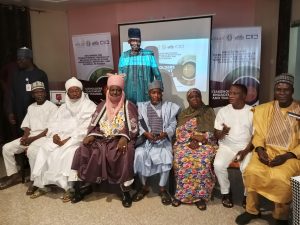
The Project Coordinator and NHRC representative, Mrs Halima Oyedele, disclosed this during a stakeholders’ engagement and training in Kano on Friday
Oyedele said the network would provide a mechanism for monitoring violations of FORB at the grassroots and ensure that genuine cases were properly documented and addressed before escalating into conflicts.
She said freedom of religion or belief was a fundamental right and called on Nigerians to respect one another’s rights irrespective of their religious affiliations.
According to her, the training is designed to take the message of religious tolerance, peaceful coexistence and respect for human rights to the grassroots.
“Freedom of religion and belief is a human right. If you want to enjoy your human rights, you should also respect my own human rights,” she said.
Oyedele said the initiative became necessary because of the need to address allegations of violations that were sometimes made without sufficient evidence or proper documentation.
She said the consortium wanted to establish a system through which alleged violations could be properly documented and victims guided on where and how to seek redress.
“We want to systemise the reportage of FORB in Nigeria so that people do not go about making baseless allegations,” she said.
The project coordinator further explained that participants trained as FORB monitor officers would serve as contact points within their communities, receive complaints and know how to escalate genuine cases through established referral channels.
Oyedele said religious issues were sensitive and required responsible handling to prevent minor disagreements from escalating into conflicts.
Also, the facilitator of the training, Mr Kabir Raji, said the stakeholders’ engagement was designed to train monitor officers to recognize, document, report and refer cases of violations of religious or belief rights within their communities.
Raji said findings from surveys conducted in selected areas in Kano and Ebonyi indicated that interreligious violence and concerns surrounding places of worship were among the major issues requiring attention.
He said effective documentation and referral of such cases would help relevant authorities respond appropriately and prevent disputes from escalating.
The engagement was attended by traditional and religious leaders, community leaders, security personnel, civil society and faith-based organizations, media practitioners among other stakeholders. (NAN)